
Dwarkamai Shirdi: Discover the Sacred Mosque Associated with Sai Baba
Look for the sacred Dhuni inside Dwarkamai, and follow the site's instructions. Pair this visit with the Samadhi Mandir and Chawdi.
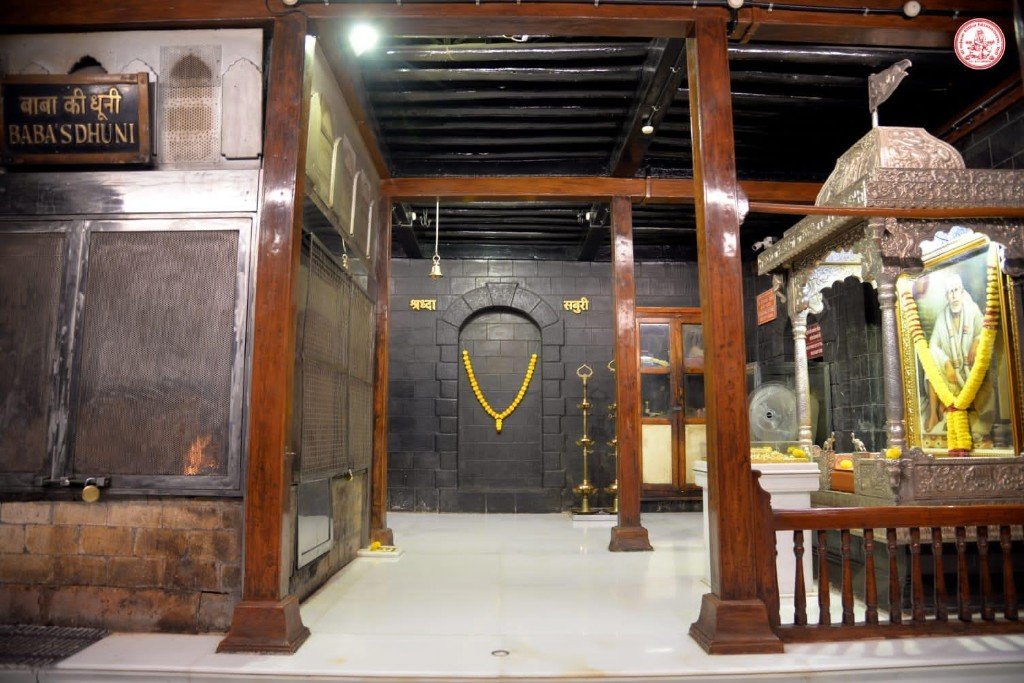
Among the most significant spiritual attractions in Shirdi, Dwarkamai holds a special place in the hearts of Shri Sai Baba's devotees. This historic mosque is closely associated with Sai Baba's life, his teachings, and the many people who visited him seeking comfort, guidance, and blessings.
For visitors travelling to Shirdi, Dwarkamai is an essential destination that offers insight into the simplicity of Sai Baba's life and the message of unity that continues to inspire people from different religious and cultural backgrounds.
The History of Dwarkamai
Dwarkamai is the historic mosque where Sai Baba spent a substantial part of his life in Shirdi. Although the building was simple, it became an important place for spiritual interaction, prayer, and service.
People from different communities visited Sai Baba at Dwarkamai. He welcomed visitors regardless of their background and encouraged values such as faith, patience, kindness, humility, and charity.
Dwarkamai remains a powerful symbol of these teachings and of the inclusive spiritual tradition associated with Sai Baba.
Why Is Dwarkamai Important to Sai Baba Devotees?
Dwarkamai is important because it represents the everyday life and spiritual work of Sai Baba.
Devotees visit to remember his teachings and reflect on the values he demonstrated through his actions. The site also illustrates how Sai Baba brought people together beyond the boundaries of religion and social status.
His message of compassion and service remains relevant to visitors seeking peace, hope, and a deeper connection with their faith.
The Sacred Dhuni at Dwarkamai
One of Dwarkamai's most recognised features is the Dhuni, the sacred fire traditionally associated with Sai Baba.
The Dhuni holds special religious significance for devotees. Sai Baba is associated with the practice of distributing udi, the sacred ash connected with the fire, to those who came to him.
For many devotees, the Dhuni represents faith, spiritual reassurance, and Sai Baba's enduring presence in their lives.
Visitors should follow the site's current rules and instructions when viewing sacred objects or participating in religious practices.
Important Features to Explore
During a visit to Dwarkamai, devotees may encounter several historically and spiritually significant features, depending on current access arrangements.
These include the sacred Dhuni, the stone on which Sai Baba is traditionally associated with sitting, and other objects connected with accounts of his life.
Each feature contributes to the site's historical importance and offers visitors an opportunity to reflect on the simplicity of Sai Baba's surroundings.
Dwarkamai and Other Sacred Places in Shirdi
Dwarkamai can be included in a wider pilgrimage itinerary covering several important destinations.
- Sai Baba Samadhi Mandir: The central shrine where devotees gather for darshan.
- Chawdi: The historic location associated with Sai Baba's Thursday night processions.
- Gurusthan: A sacred site associated with Sai Baba's early presence in Shirdi.
- Lendi Baug: A garden connected with Sai Baba's daily routine and spiritual practices.
Together, these landmarks provide a broader picture of Sai Baba's life and Shirdi's religious heritage.
Planning Your Visit to Dwarkamai
Shirdi can become particularly busy on Thursdays, weekends, and during major religious festivals. Visitors should allow enough time to explore the sacred sites and check current access arrangements before travelling.
If you are travelling with children, elderly family members, or a larger group, organising your accommodation and sightseeing schedule in advance can help make your visit more convenient.
Stay in Shirdi with Hotel Saideep Villas
A comfortable place to stay can help you enjoy your pilgrimage. Hotel Saideep Villas, Shirdi, offers a choice of room categories for different guest requirements, including double-bed, triple-bed, and four-bed AC rooms, as well as a family suite with two washrooms.
Contact the property directly for current room availability, tariffs, and location details.
Conclusion
Dwarkamai is one of Shirdi's most meaningful spiritual landmarks. Its connection with Sai Baba's life, the sacred Dhuni, and his message of compassion makes it an important destination for devotees.
A visit to Dwarkamai offers more than an opportunity to see a historic religious site. It is also an invitation to reflect on faith, patience, service, and the unity that formed a central part of Sai Baba's teachings.
Continue your visit
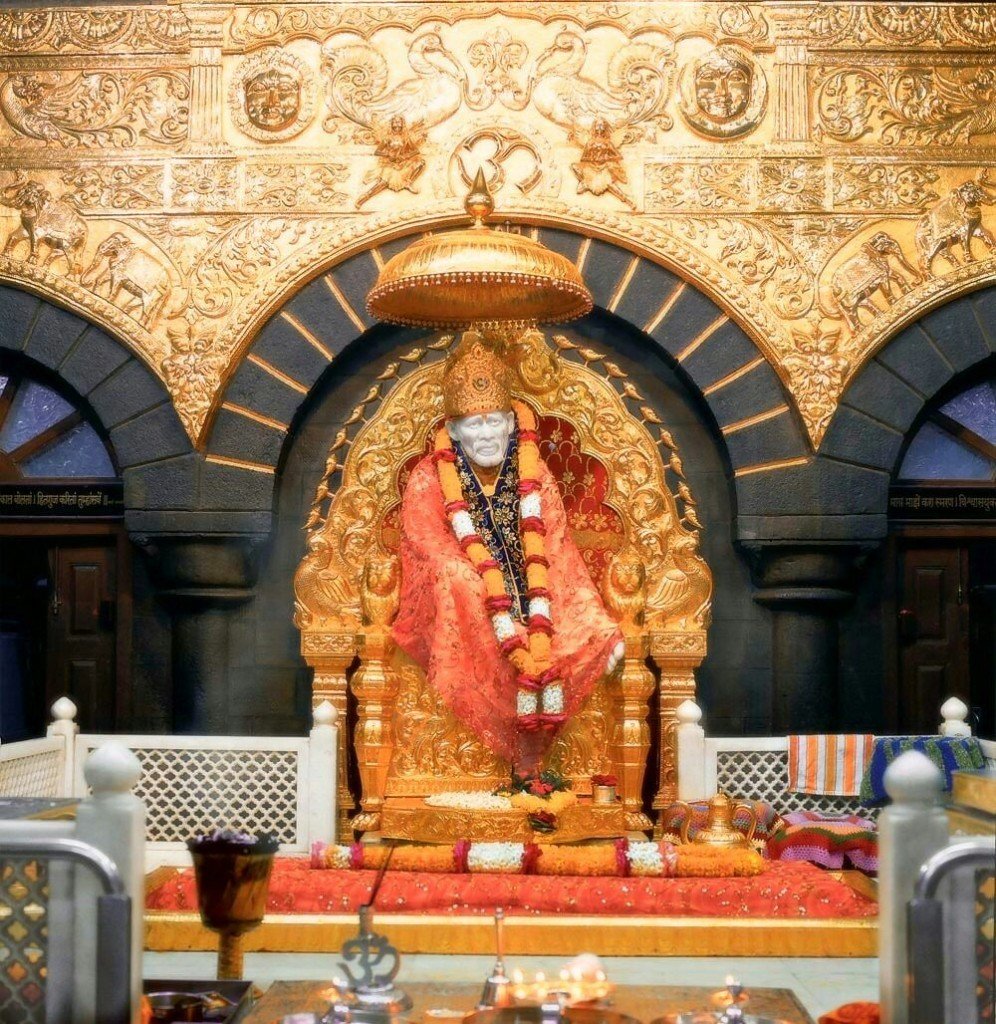 Shri Sai Baba Samadhi MandirBegin with darshan here, then walk on to Dwarkamai, Chawdi, Gurusthan, and Lendi Baug. Check the Shri Saibaba Sansthan Trust for the day's timings before you travel.
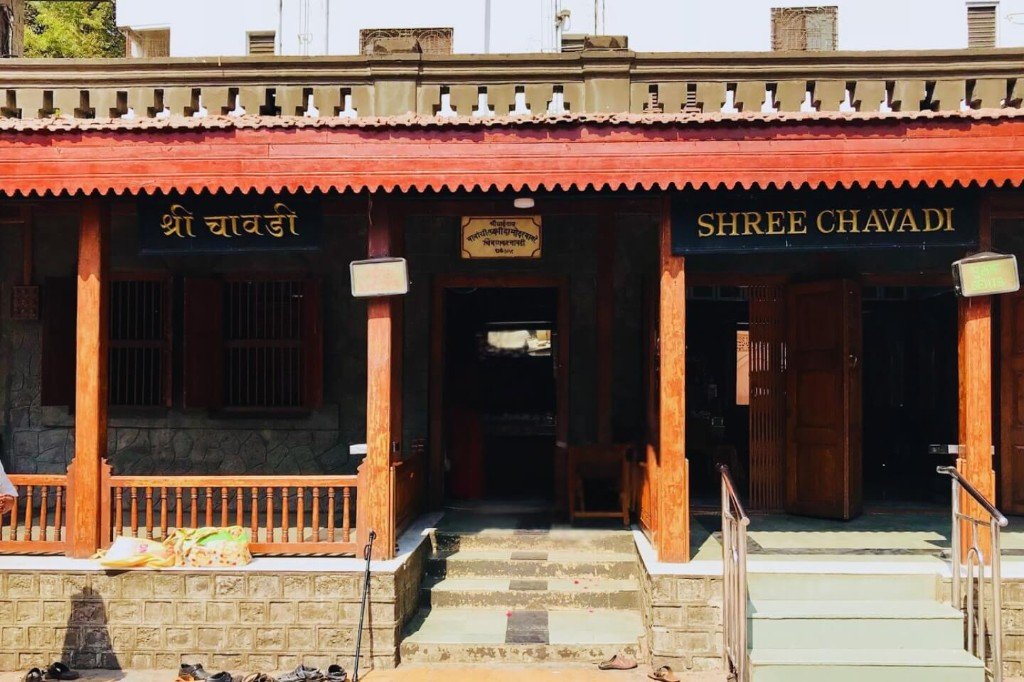 ChawdiSee Chawdi with Dwarkamai. Sai Baba's Thursday night procession is remembered between the two. Confirm access before you go.
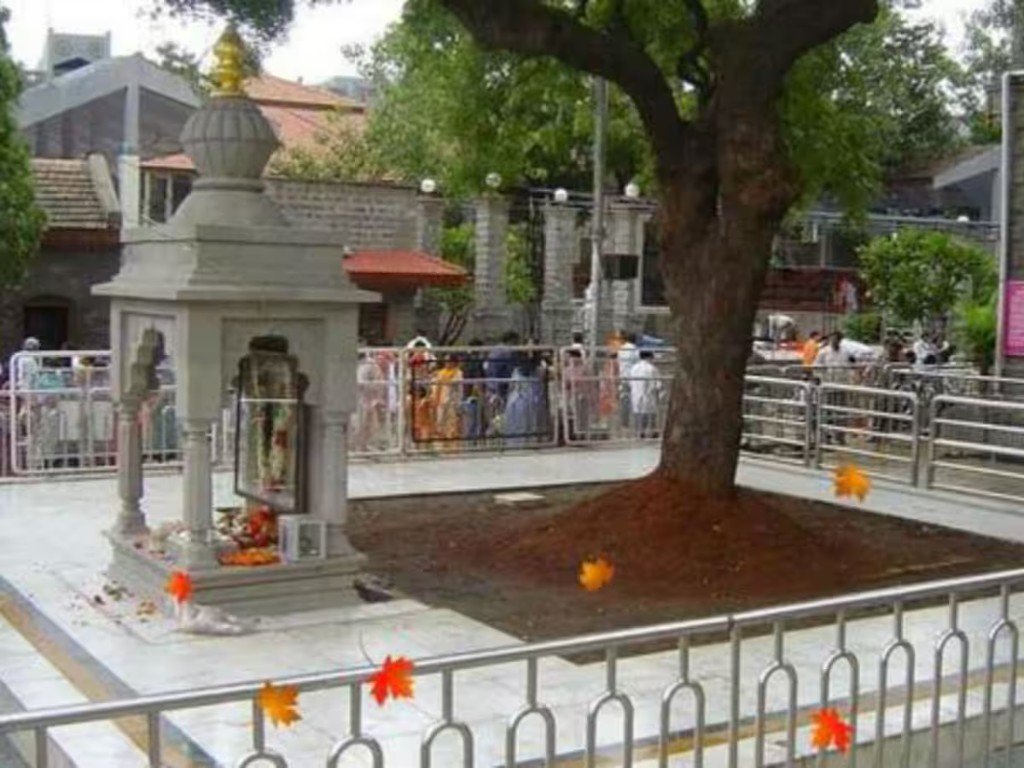 GurusthanPause at Gurusthan beside the neem tree, then continue to the Samadhi Mandir and the other temple places. Follow local guidance on worship and photography.
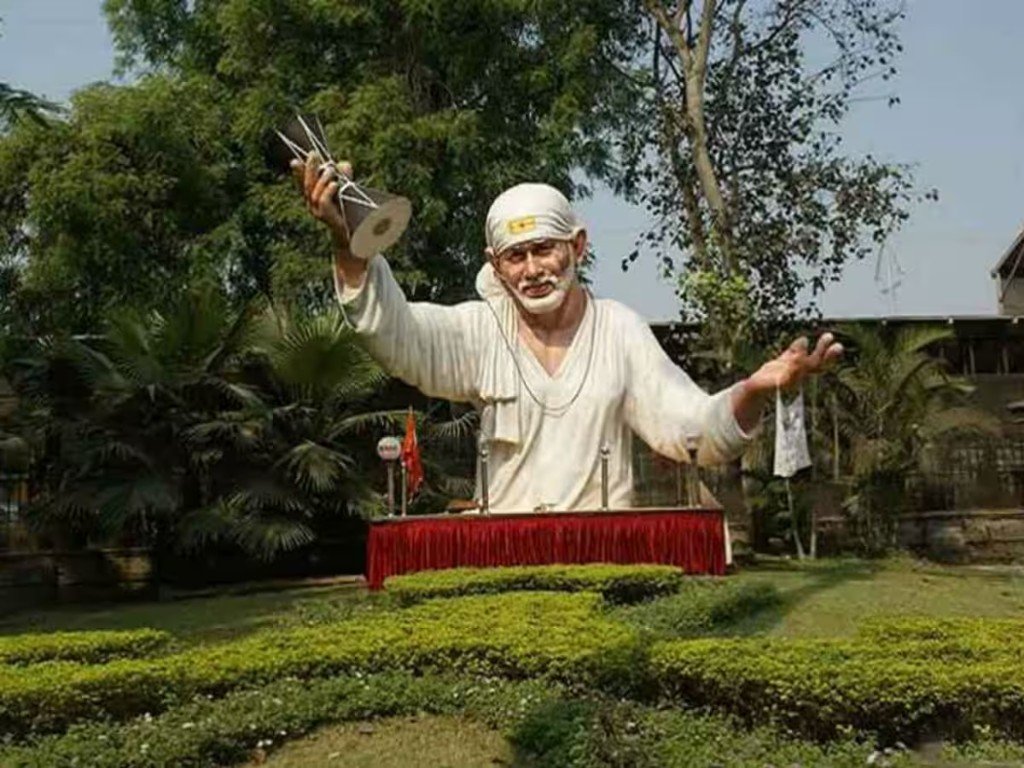 Lendi BaugUse Lendi Baug as a quieter garden stop after the Samadhi Mandir. The Nanda Deep is the lamp associated with this garden. Check local access before you go.